
Phase I: Consolidation
Begin as an informal forum. The objective here is identifying shared pain points—parking issues, street lighting, or safety concerns. This phase builds the trust necessary for legal formalization.
The impact of a neighborhood business association is dictated by its structural integrity. From informal merchant circles to formalized improvement districts, we analyze the governance models shaping Malaysia's commercial corridors.
Core Objective
Selecting a model that balances administrative agility with long-term legislative recognition to ensure sustainable district growth.
Often the starting point for neighborhood revitalization, these groups rely on voluntary participation and social capital. While they lack formal legal status, they excel at high-speed tactical responses to immediate local issues.
The standard model for neighborhood groups under the Registry of Societies Malaysia. This structure provides legal entity status, allowing for formalized bank accounts, official advocacy with Kuala Lumpur City Hall (DBKL), and grant eligibility.
A rigorous public-private partnership where property owners agree to a local assessment to fund specific services. These districts professionalize area management, security, and cleaning beyond standard municipal provisions.
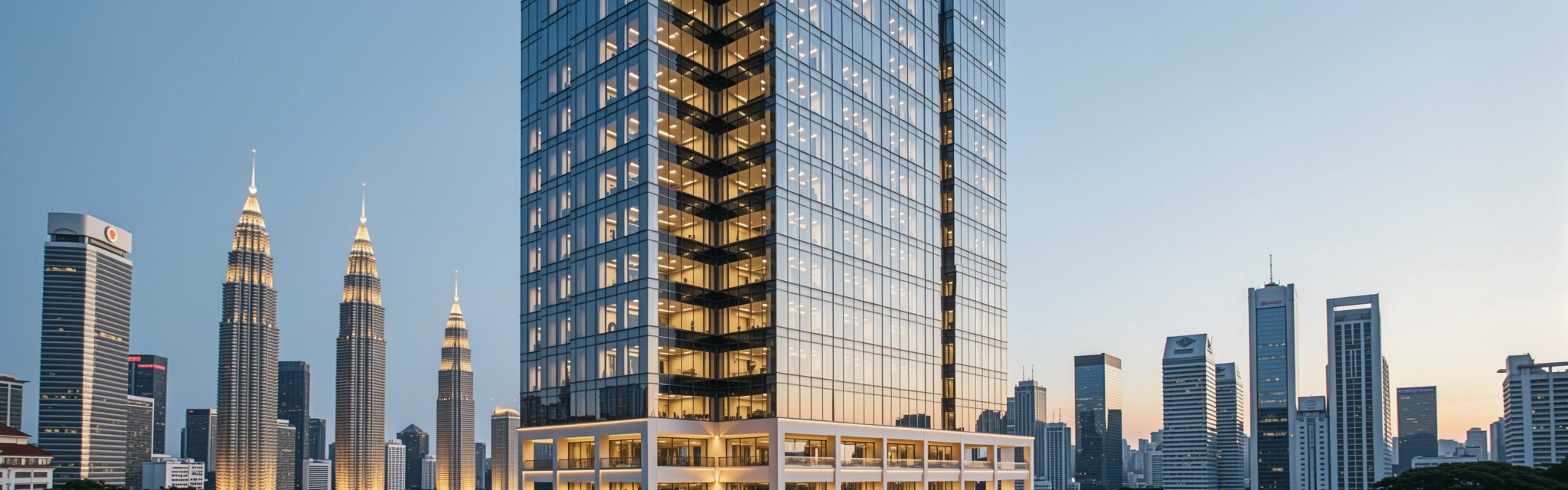
Formalizing an association ensures that local commerce has a seat at the table when urban development policies are decided.
Analyze the operational trade-offs of each association model to determine the best fit for your neighborhood's current maturity and future goals.
| Feature | Informal Group | Registered Society | BID Framework |
|---|---|---|---|
| Setup Speed | 1–2 Weeks | 3–6 Months | 12+ Months |
| Legal Liability | Individual Members | Limited Liability (Entity) | Corporate Liability |
| Funding Source | Donations/Casual Fees | Membership Dues/Grants | Compulsory Property Assessments |
| Govt. Engagement | Ad-hoc meeting requests | Official consultative status | Legislated partnership |

Begin as an informal forum. The objective here is identifying shared pain points—parking issues, street lighting, or safety concerns. This phase builds the trust necessary for legal formalization.
Transition to a Registered Society. We assist in drafting bylaws that ensure equitable representation across retail, service, and F&B sectors, preventing any single interest from dominating the agenda.
Mature associations often move toward a Business Improvement District (BID) model. This provides the financial certainty required for major streetscape improvements and digital neighborhood infrastructure.
"Choosing the wrong structure early can lead to administrative burnout or legal stagnation. We provide the diagnostic framework to help your committee choose wisely."
Access our comprehensive library of governance documents, legal templates, and case studies for Malaysian business associations.